1850
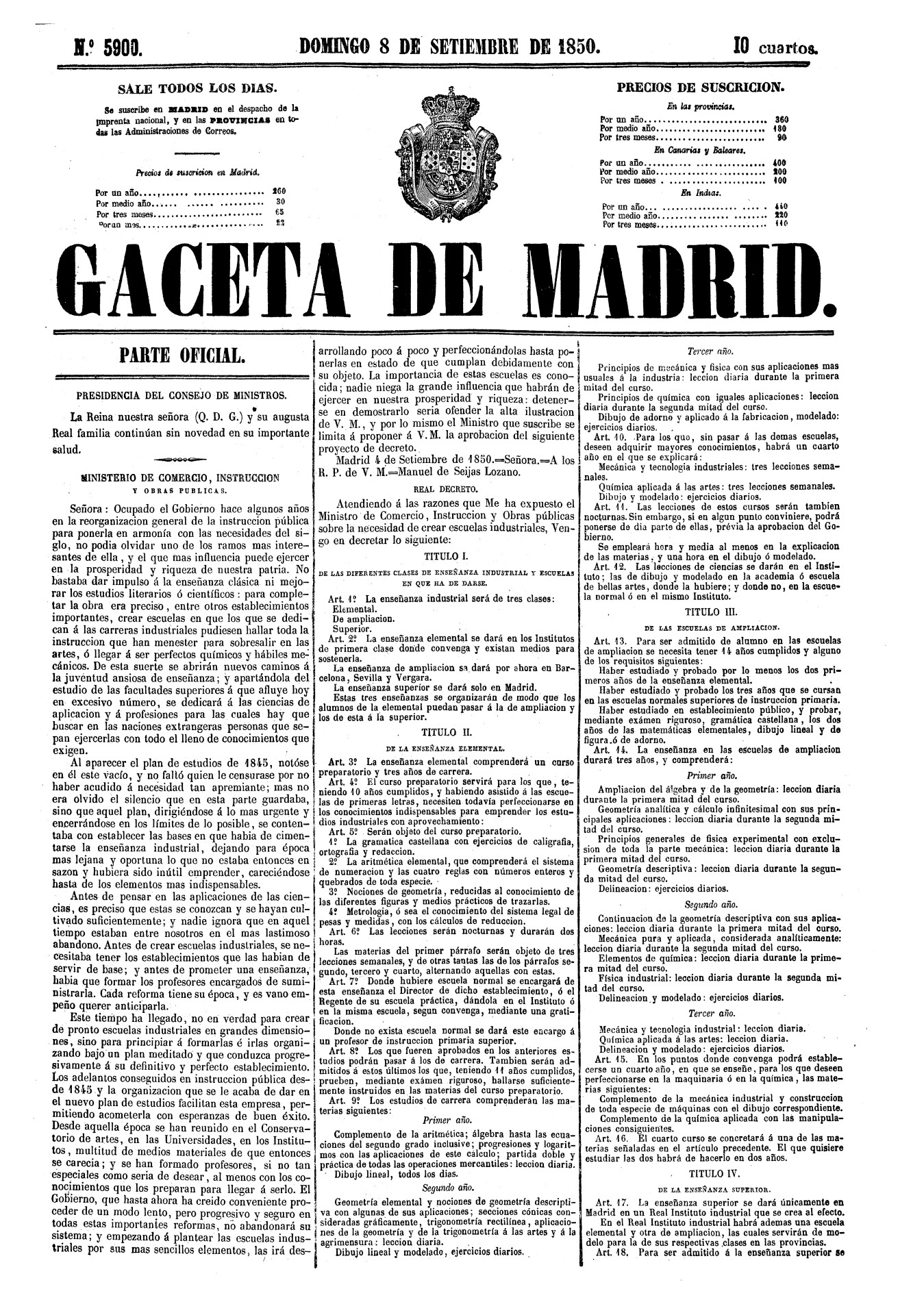
Decree of creation of industrial education and the title of Industrial Engineer. Three levels of education are defined (elementary, extension and higher) and two specialities: mechanics and chemistry.

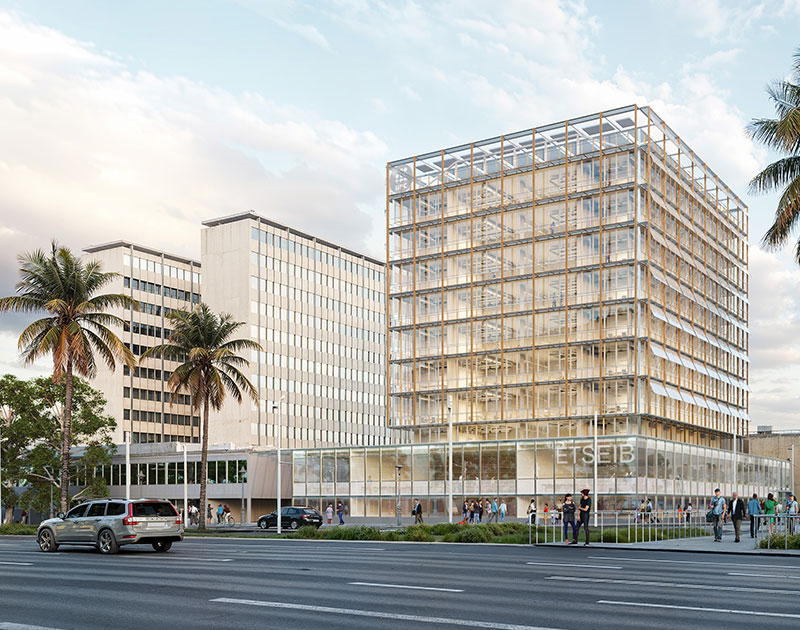
A technical and precise journey through the legacy of the Barcelona School of Industrial Engineering.
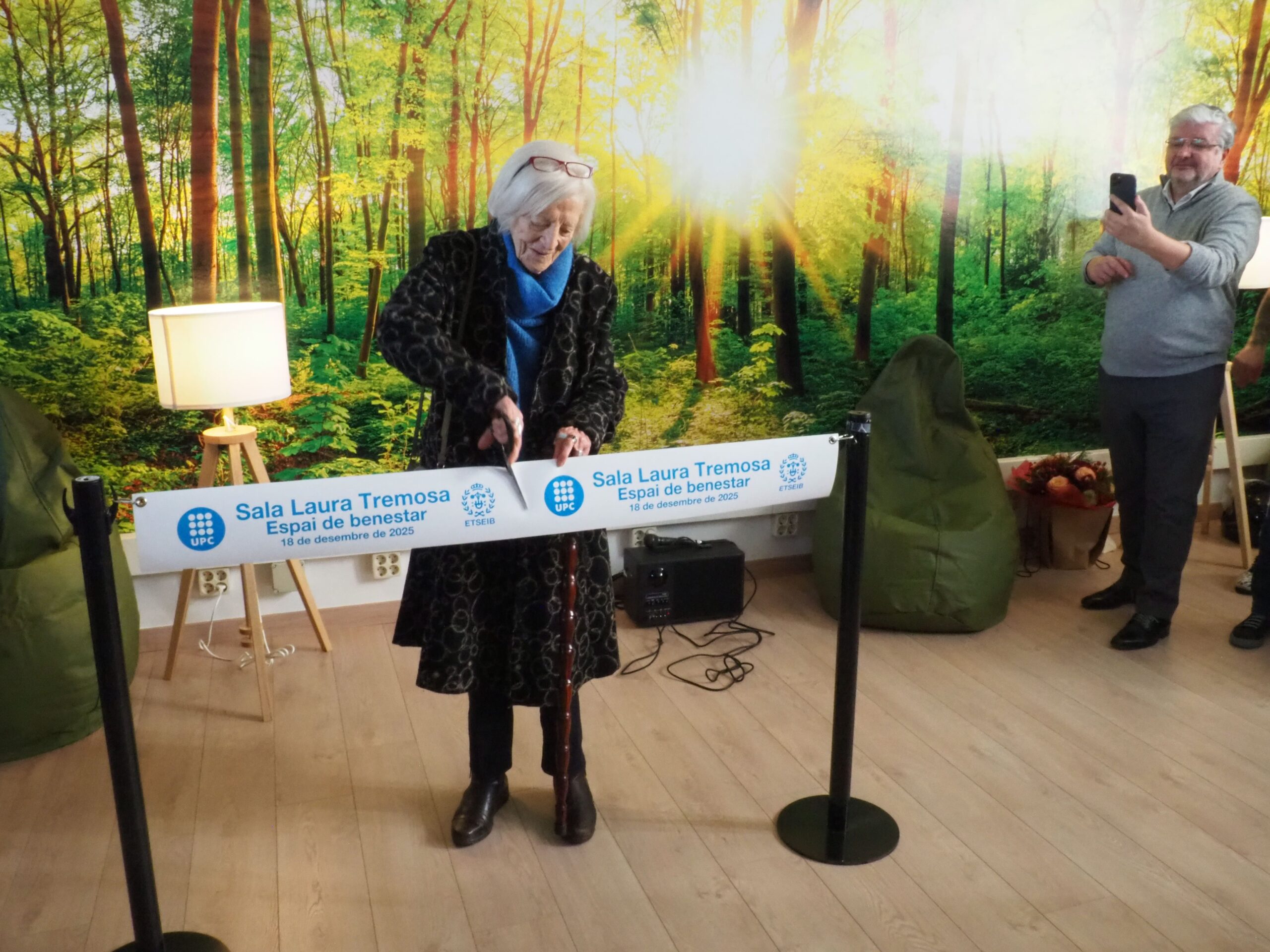
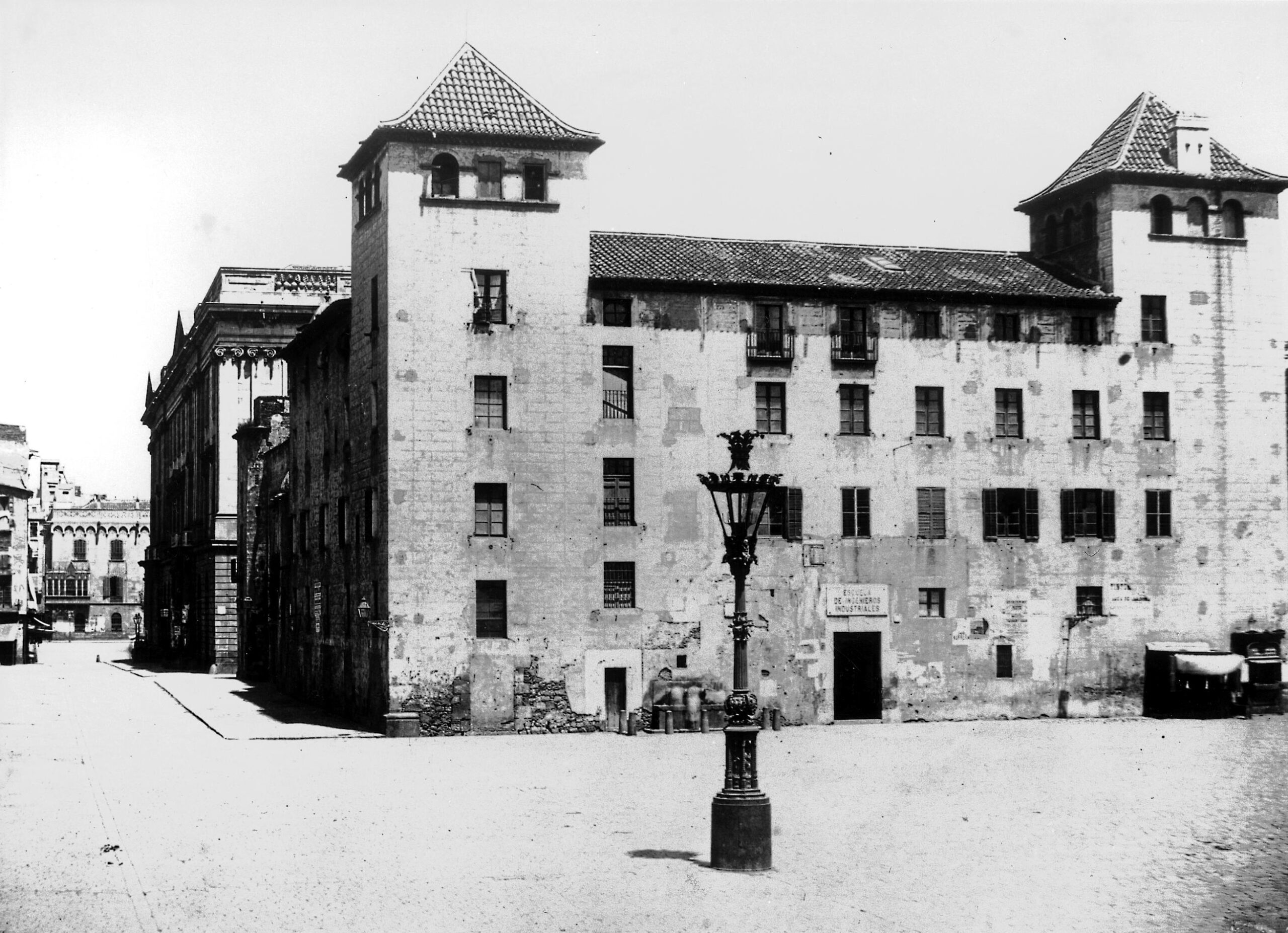
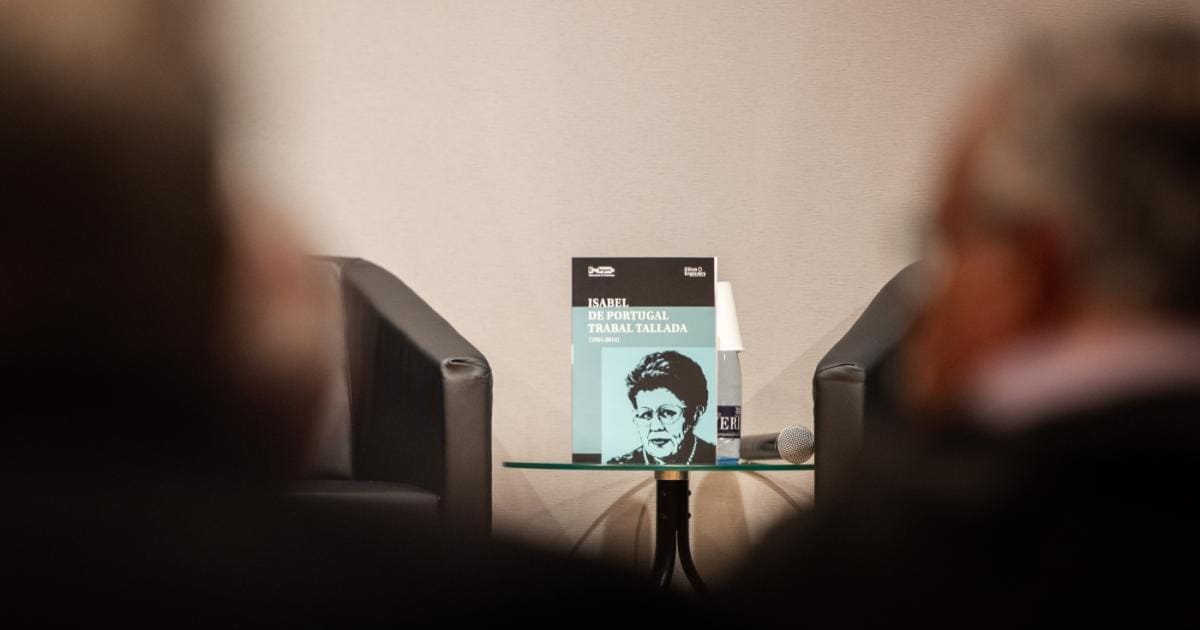
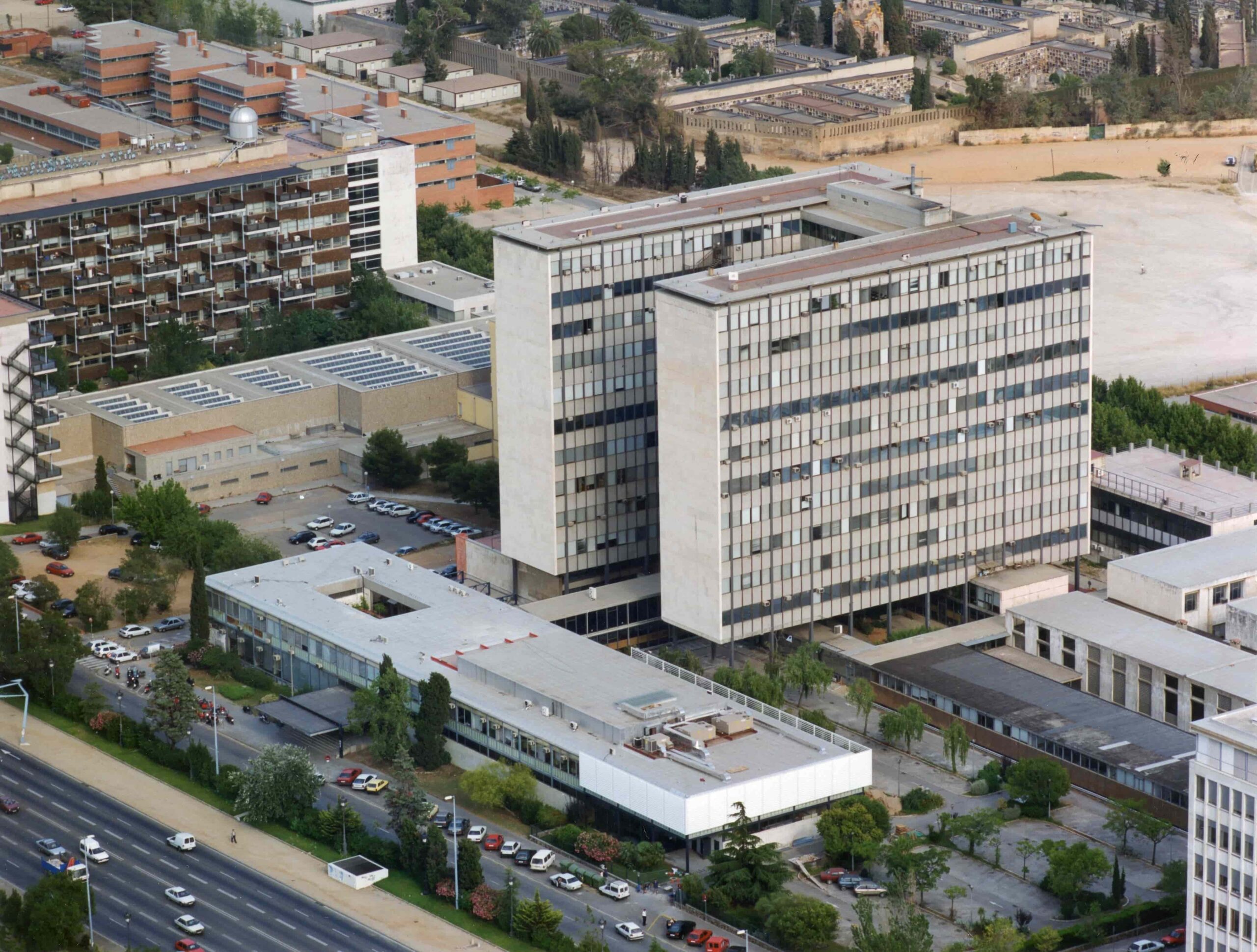
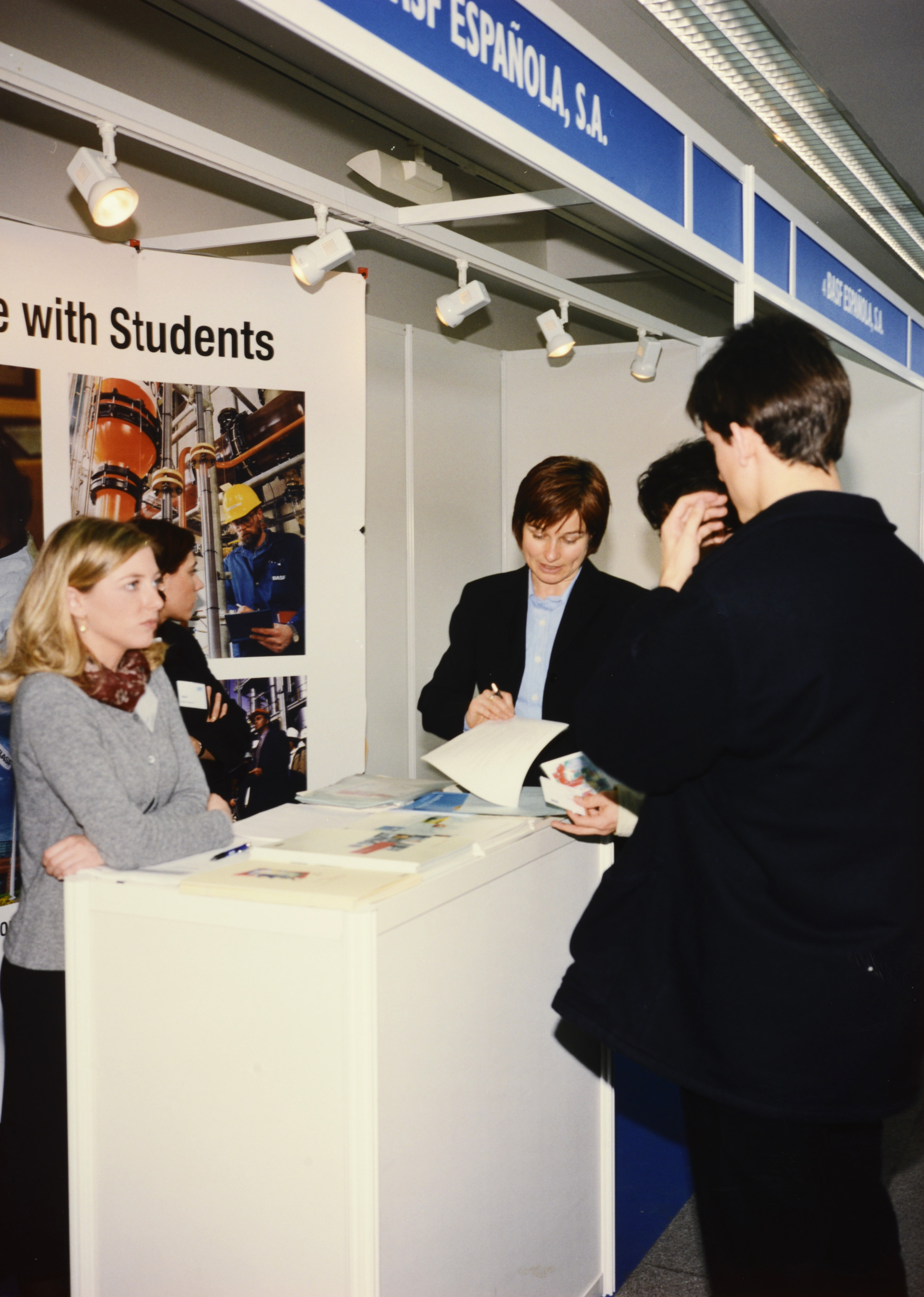
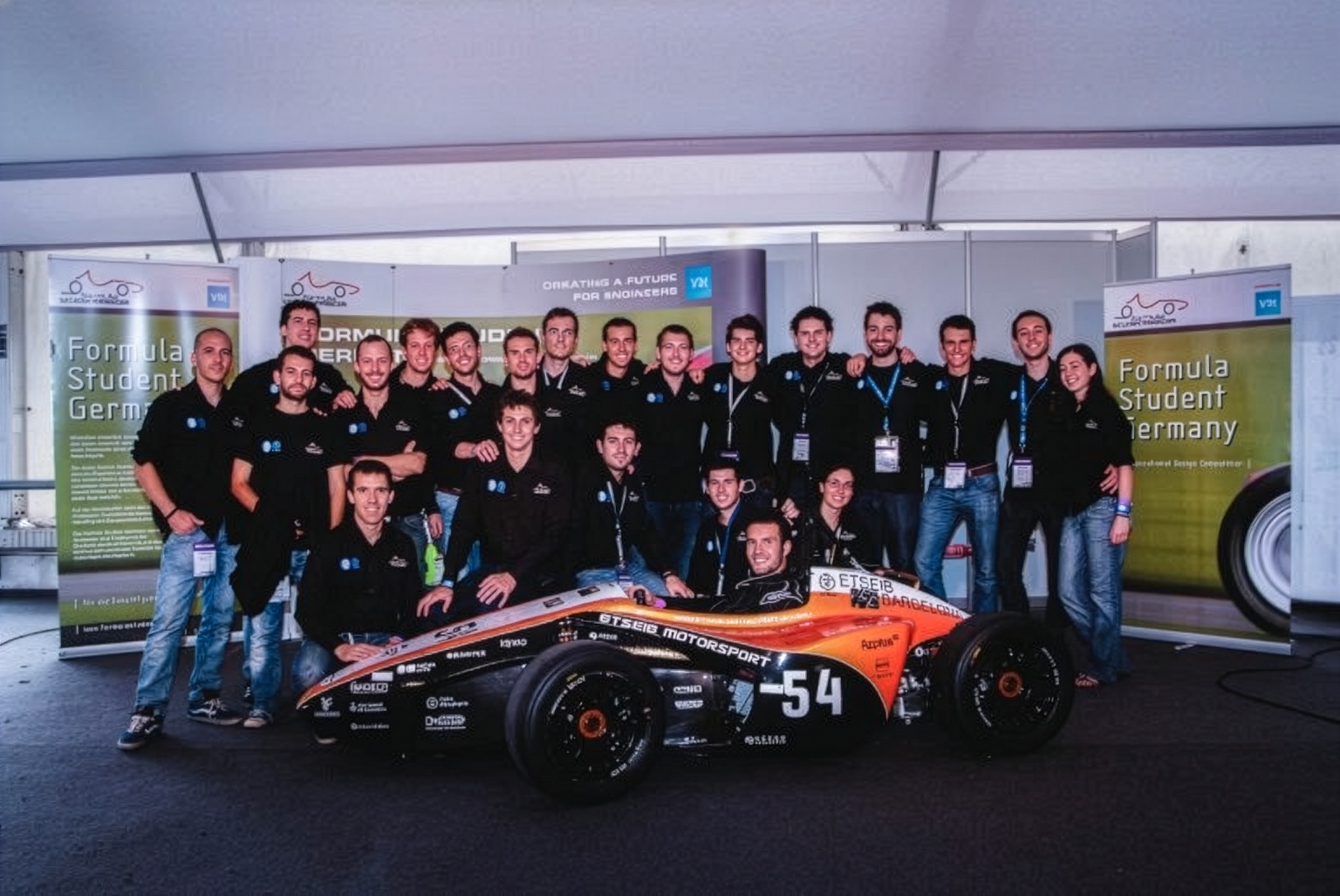
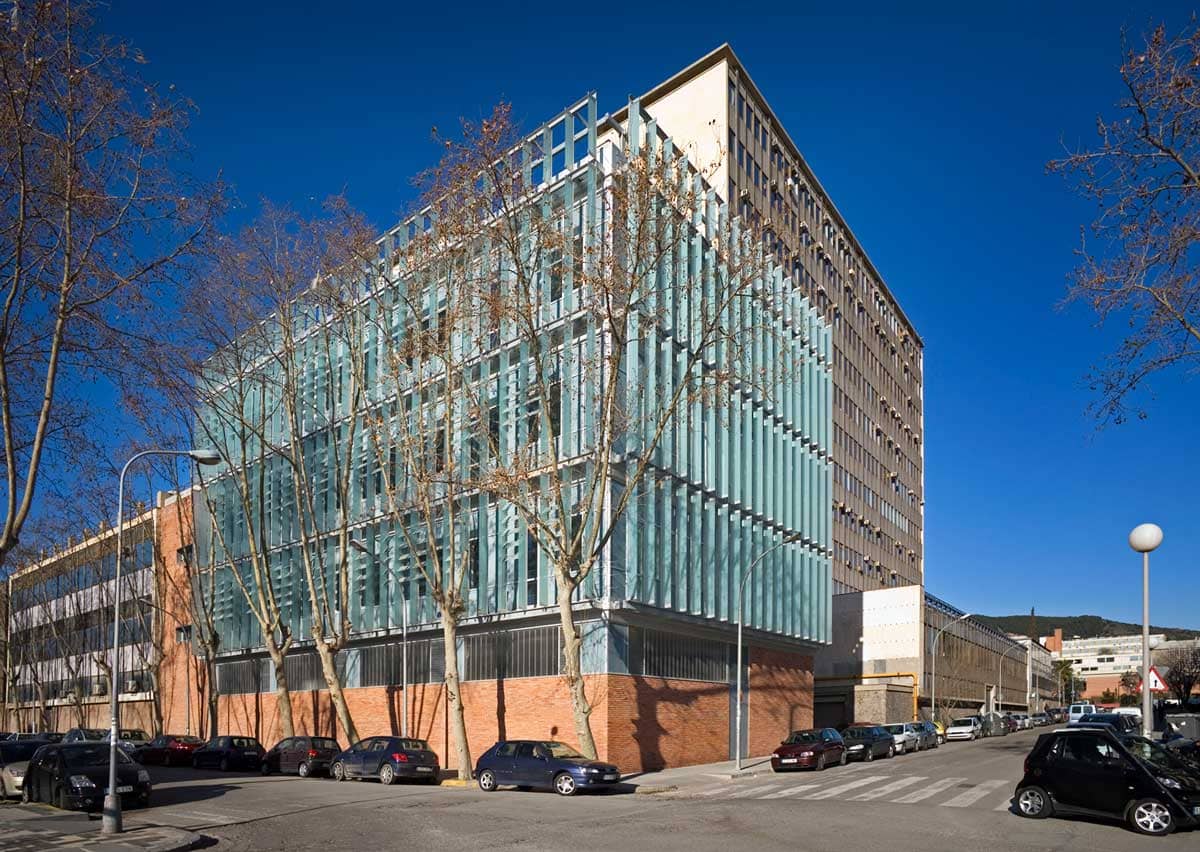
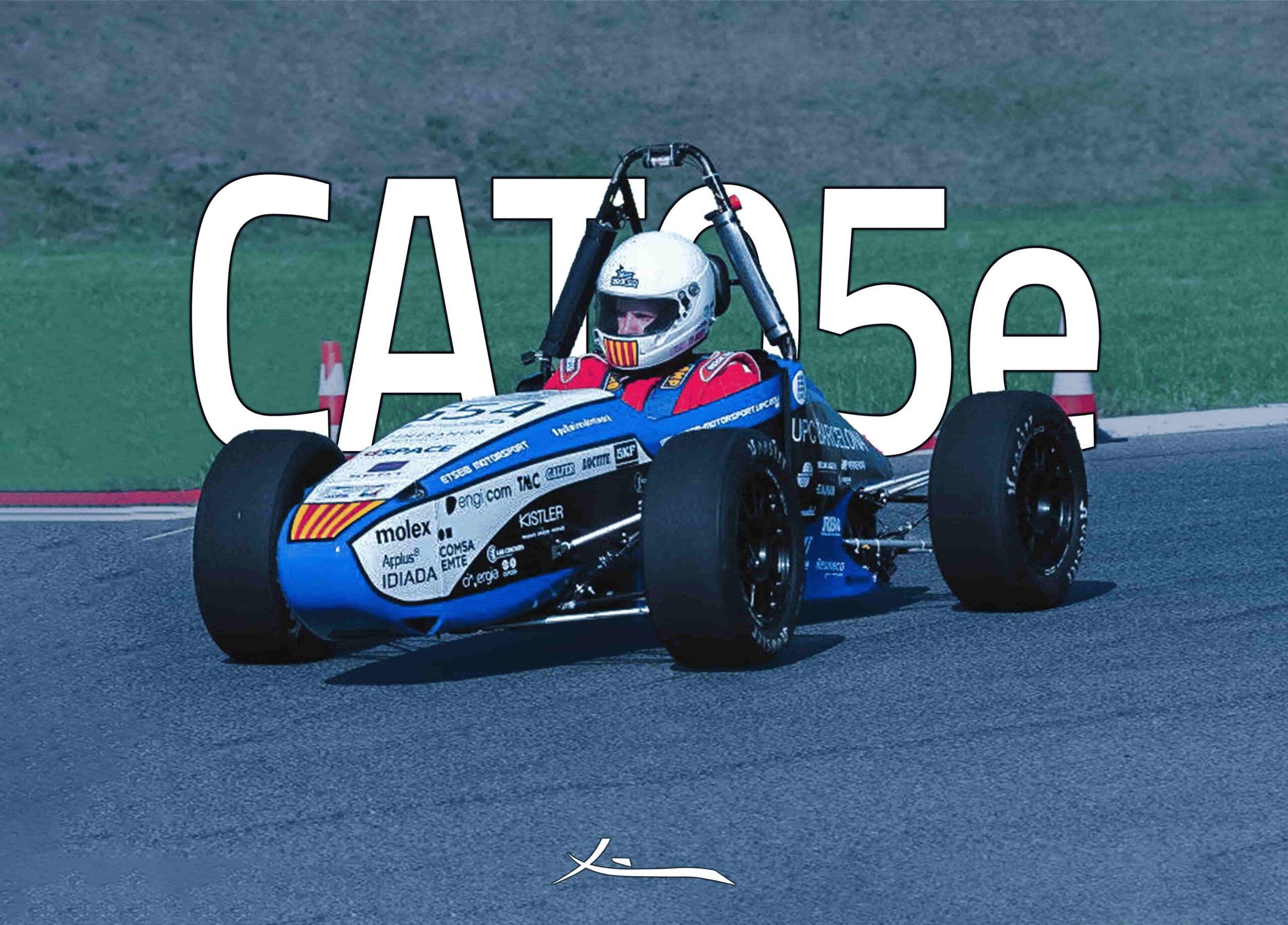
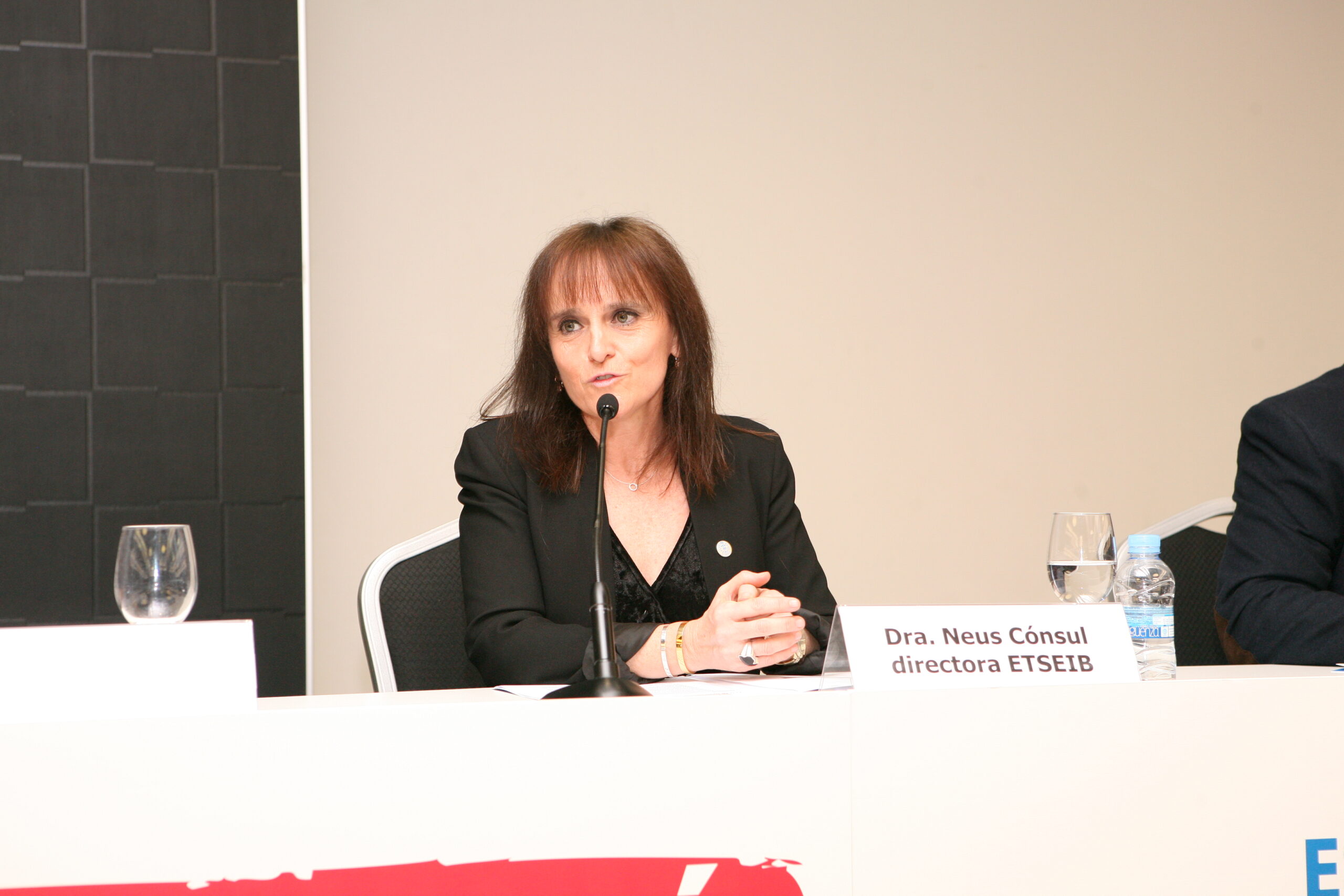
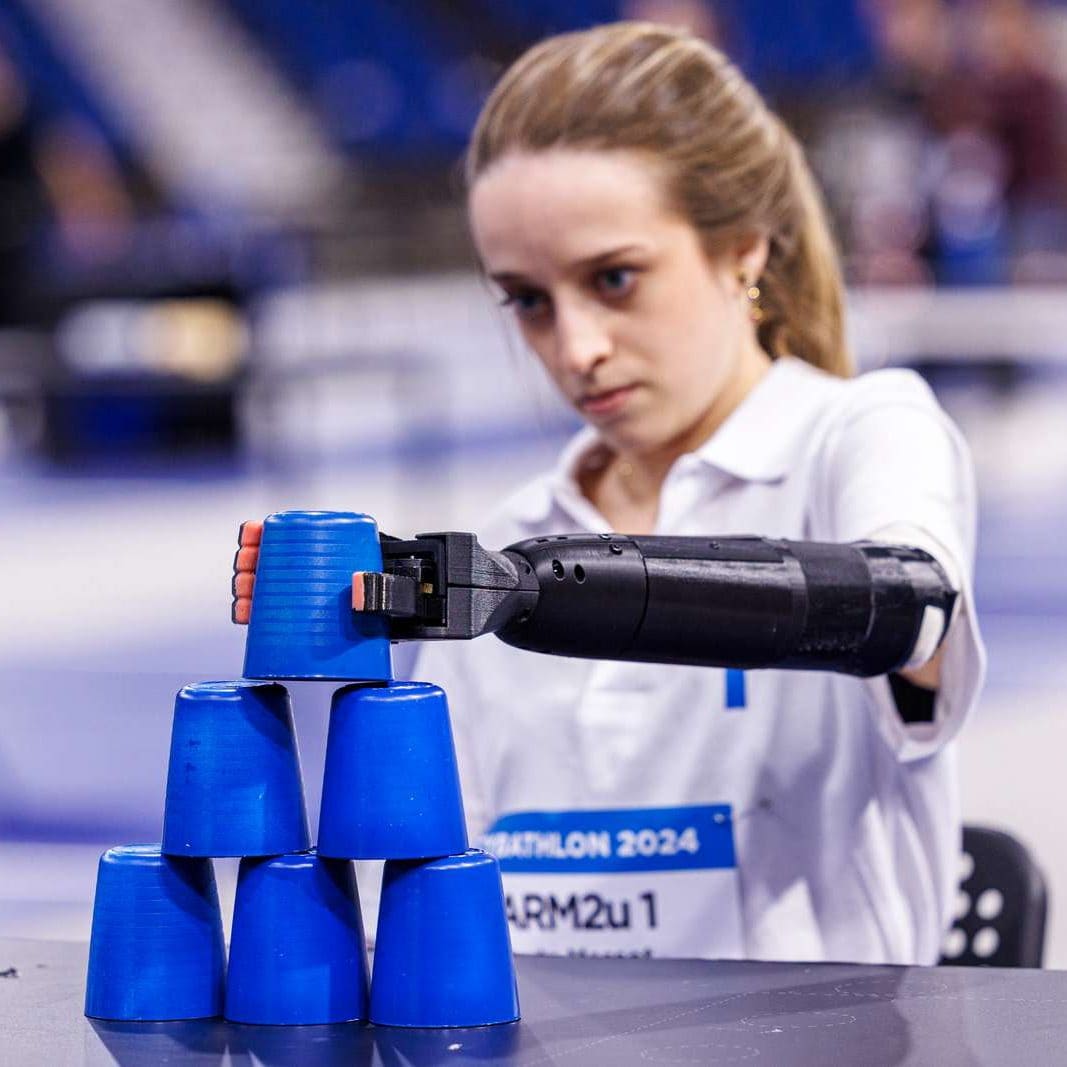
Decree of creation of industrial education and the title of Industrial Engineer. Three levels of education are defined (elementary, extension and higher) and two specialities: mechanics and chemistry. Creation of the Barcelona Industrial School, located in the old convent of Sant Sebastià. Reform of education; the center was renamed Escuela Profesional Industrial de Barcelona. The Moyano Law declares all industrial schools as higher schools. The degree lasts six years. The center is definitely called the Escuela Superior Industrial de Barcelona. Schools in Gijón and Vergara are closed. The first graduates (mechanics and chemists) graduate, with Dionisio Roca Subirana being the first. The school became known as the School of Industrial Engineers of Barcelona. New temporary name: Escuela Especial de Ingenieros Industriales de Barcelona. The school in Seville is closed and a tripartite pact (State-City Council-Provincial Council) is established for the shared financing of the School’s expenses. The Royal Industrial Institute of Madrid was abolished, and the Barcelona school remained the only one in Spain until 1899, when the Bilbao School was created (the one in Madrid would not reopen until 1901) The free public night school for workers begins to operate. Transfer of the school to the new building of the Literary University. The workers’ school became the School of Arts and Crafts attached to the School of Industrial Engineers. The school imports the first Gramme dynamo in Spain. The School imports a larger Dinamo de Gramme that was used to illuminate a laboratory, the first space in Spain to be illuminated with electricity. Acquisition of the first Bell phone that worked in Spain. Acquisition of the first Edison phonograph that operated in Spain. Conflicts over the transfer of preparatory studies to the Escuela General Preparatoria de Ingenieros y Arquitectos de Madrid. Finally, they were re-established in Barcelona in 1890. The Bilbao School is created. The Madrid School is created. New curriculum with the single degree of industrial engineer. Creation of the Board of Trustees of the new Industrial School of Barcelona and project to move to the old factory of Can Batlló. Three specialties were created: mechanics, chemistry and electricity. The School of Arts and Crafts was renamed the Elementary School of Labor and the School of Industrial Engineers became independent. Santiago Rubió Tudurí, a graduate of the School, designs the funicular from Sant Joan to Montserrat. Santiago Rubió Tudurí designed the Balmes tunnel, but it was not put into service until December 1953. Santiago Rubió Tudurí designs the first metro line in Barcelona. Industrial education became the responsibility of the Ministry of Labour. Santiago Rubió Tudurí designs the Gelida funicular. Definitive transfer to the clock building of Can Batlló. The school depends on the Generalitat and the Council of the New Unified School. The Organic Chemistry Laboratory goes on to work for the War Industries Commission of the Generalitat. In March 1938 the building was bombed by the Italian fascist air force in the service of Franco. Unification of the three schools that existed at the time (Barcelona, Bilbao, Madrid) under the name of Special School of Industrial Engineers. The name that corresponds to the school in Barcelona is Escuela Especial de Ingenieros Industriales. Establishment in Barcelona. The first woman enrolled in the School, Isabel Trabal, who graduated in 1949 as the first of her class and having been the only woman during her studies. The second woman enrolled in the School, Laura Tremosa, who graduated in 1960 having been the only woman during her studies. Negotiations began with the Chamber of Industry to finance a nuclear reactor for the School. Law on Technical Education. The school was renamed the Escuela Técnica Superior de Ingenieros Industriales de Barcelona. Work begins to install the Argos nuclear reactor in the building under construction of the School of Industrial Engineers, located on Diagonal. The reactor was inaugurated on June 11, 1962. Transfer of the School to the new building on Diagonal, in the University Zone. The Polytechnic University of Barcelona (UPB) is established, made up of the schools of industrial engineering of Barcelona and Terrassa and the School of Architecture of Barcelona. The names are Catalanized: Escola Tècnica Superior d’Enginyers Industrials de Barcelona The UPB becomes the Polytechnic University of Catalonia (UPC). ETSEIB is the first school to establish international double degree agreements. The first was with the École Centrale de Paris (now Central-Supélec). The first UPC business forum is organized at the School. The school adopts its current name: Barcelona School of Industrial Engineering. The ARGOS nuclear reactor is demolished. Pavilion A is demolished, then construction begins on Building L. The first team is created in the School to participate in the Formula Student competition. Inauguration of building C’, located where the nuclear reactor had been. The Bachelor’s Degree in Industrial Technology Engineering is launched within the framework of the European Higher Education Area. The Plaça de l’Enginy, located where there had been a motorcycle parking lot, is inaugurated. First electric car from Formula Student. First competition motorcycle of the School. The first classrooms in the basement of building L come into service. The UTGAEIB is created, which will manage the technical and administrative services of the School. First woman director of the School, Neus Cònsul. The Master’s Degree in Industrial Engineering is launched within the framework of the European Higher Education Area. First autonomous electric car from Formula Student, with the participation of the ETSEIB. The ARM2u project is created to develop a robotic arm prosthesis. The School is adapting all its activity to the conditions of COVID-19. The EngiLab ETSEIB creation space is put into operation. The first wellness space of the UPC is created at the School, called Sala Laura Tremosa, the second woman to graduate from the School. The Fàbrica d’Enginy project is created to promote STEM vocations in primary and secondary schools. 2025 a project is presented to finish building L and rehabilitate pavilion G. The percentage of women among the School’s undergraduate students exceeds 31% for the first time in history.
1850
1851
1855
1857
1860
1861
1865
1866
1867
1868
1873

1874
1876
1877
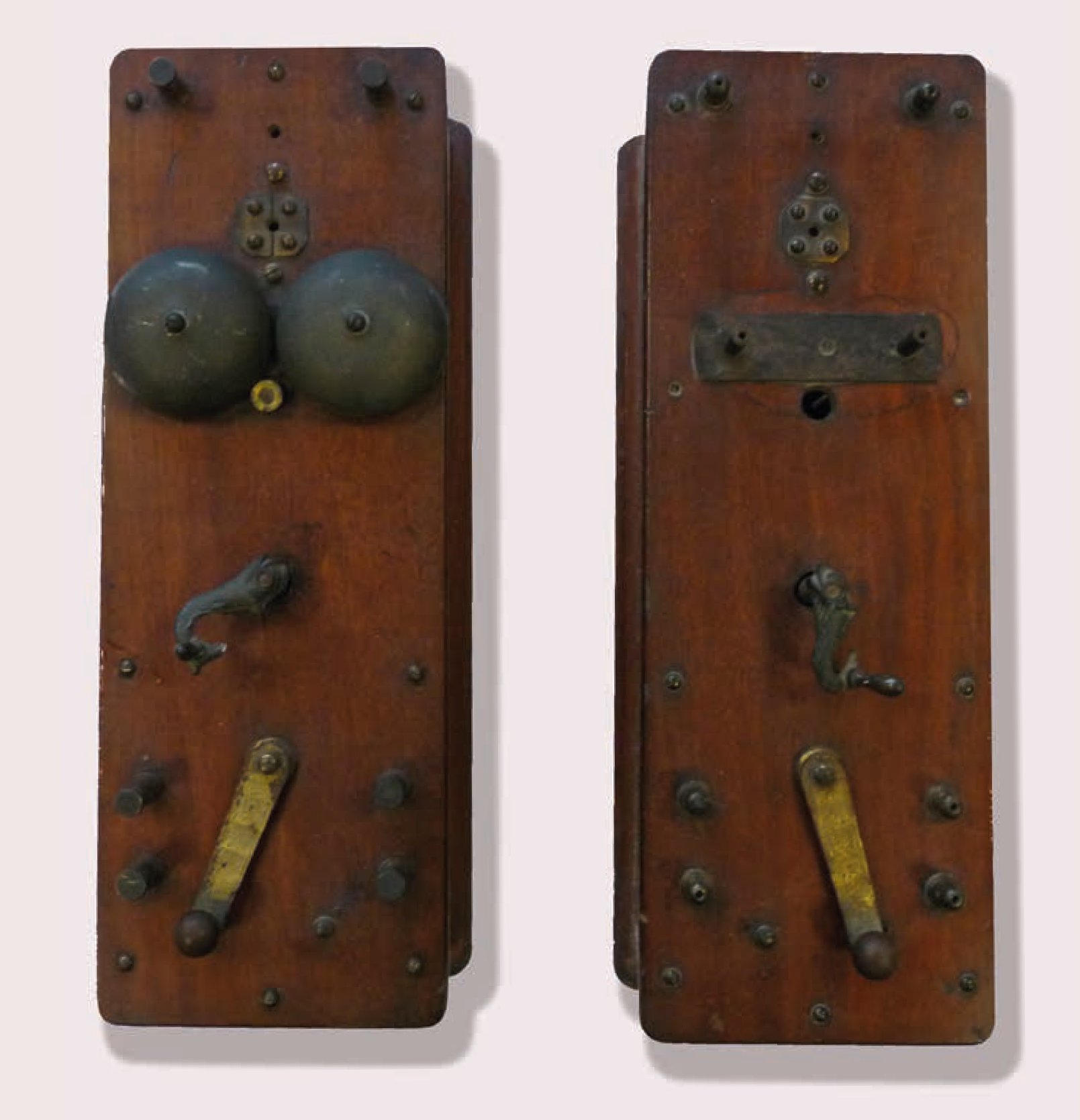
1878
1886
1899
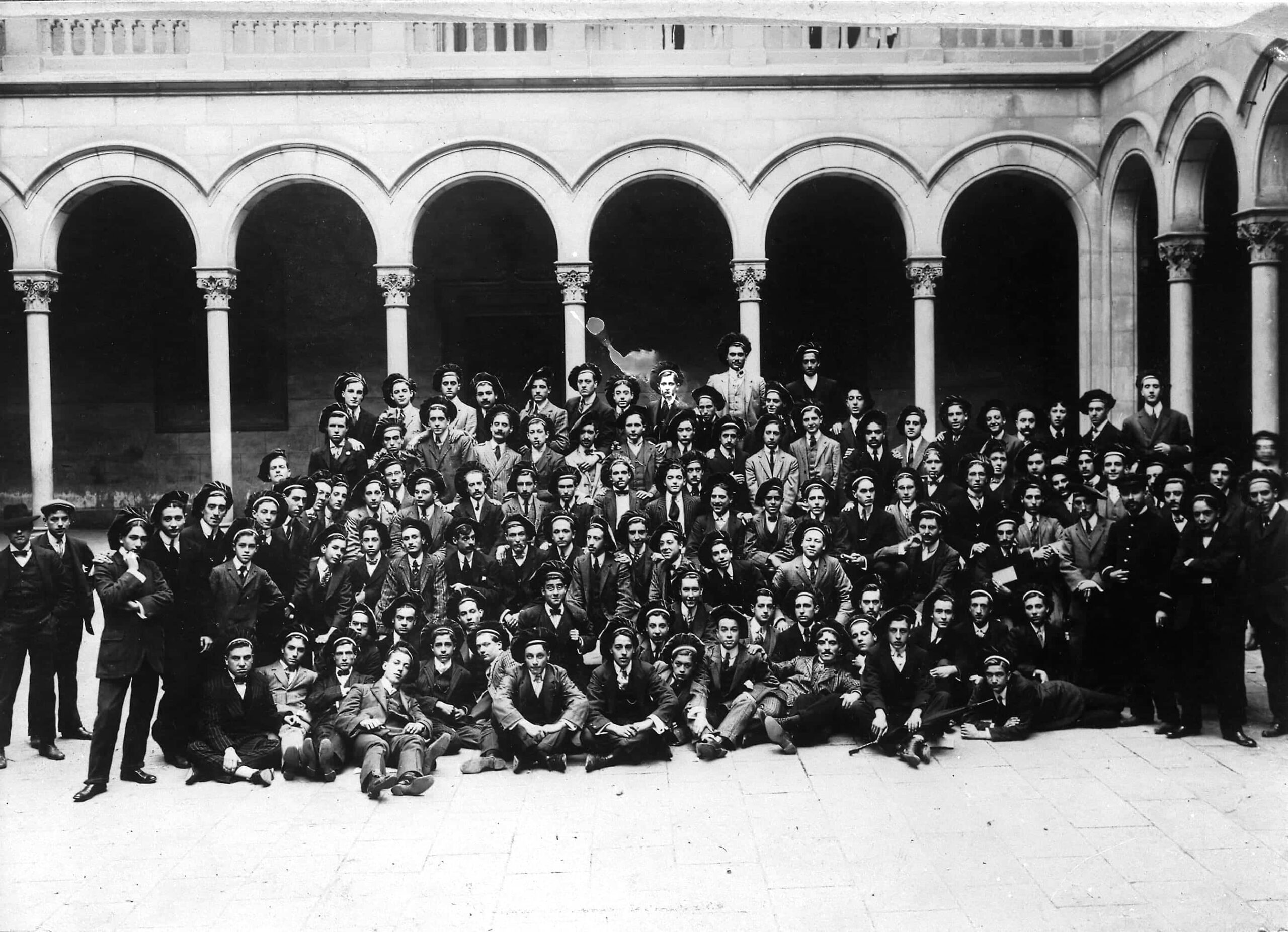
1901
1902
1904
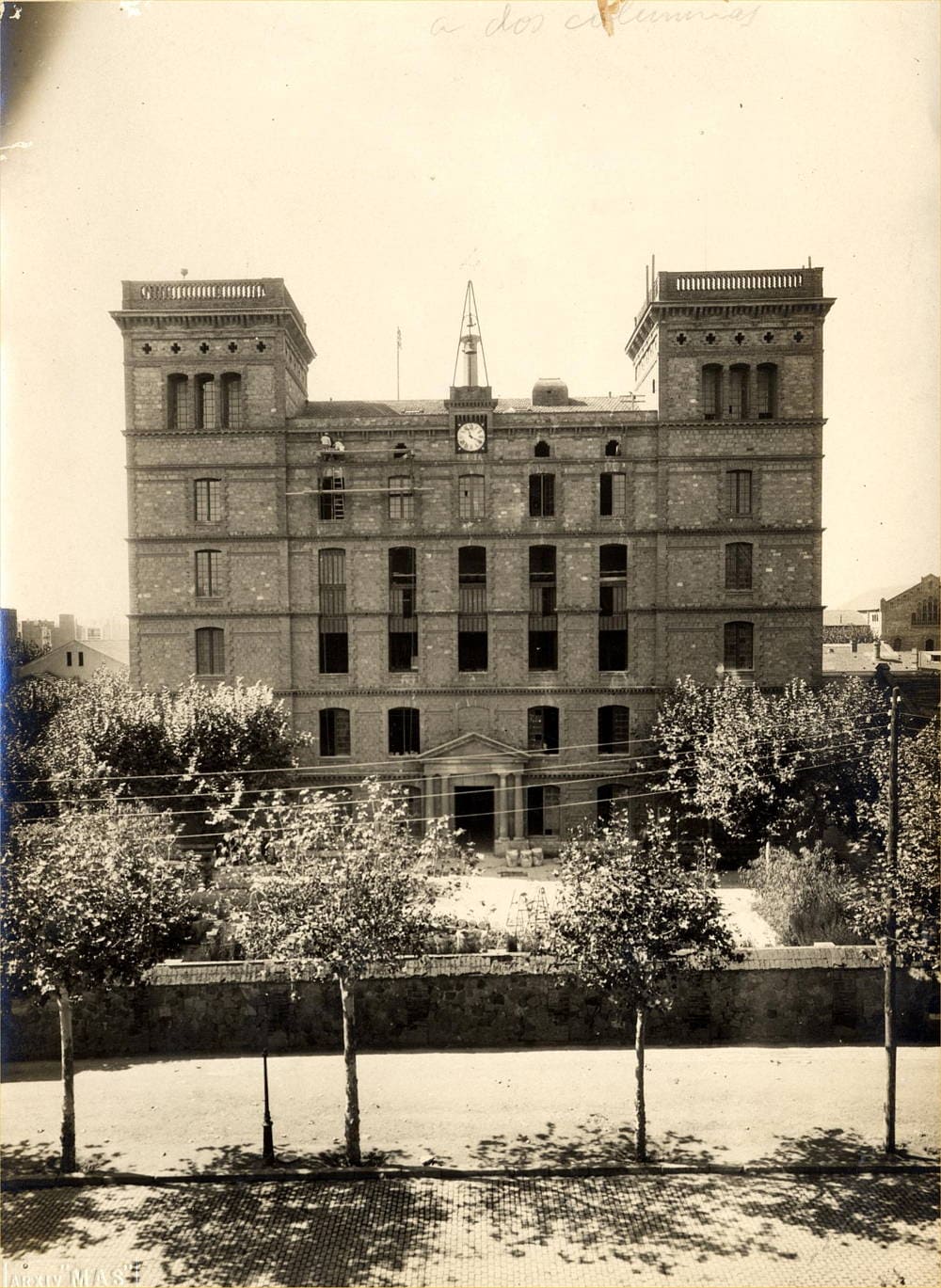
1906
1913
1918
1920
1921
1924
1924
1927
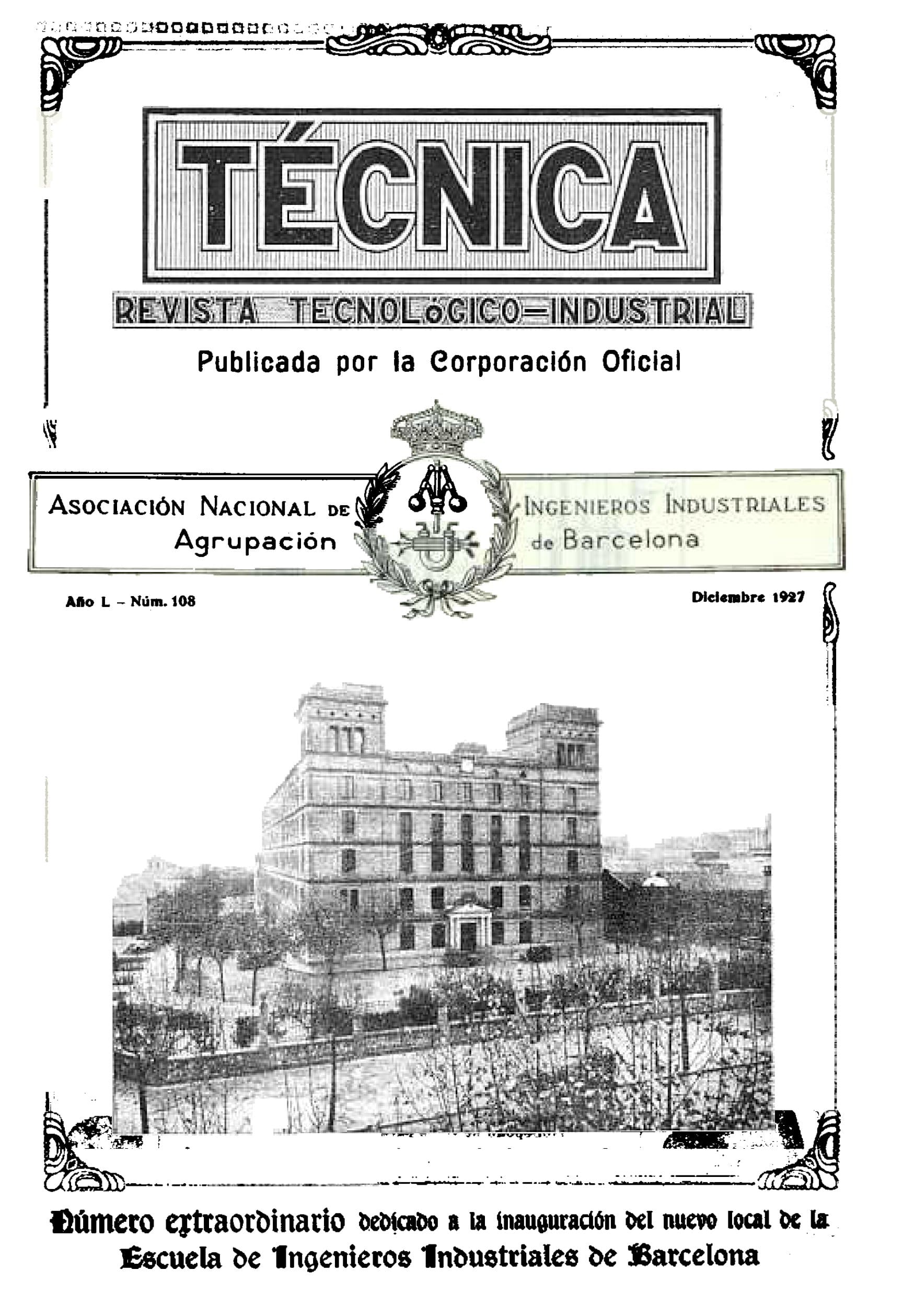
1936-39
1940

1943
1954
1957
1957
1961
1964
1971
1977
1983
1990
1991
1998
2005
2006
2007
2008
2010
2011
2012

2013
2013
2014
2018
2020
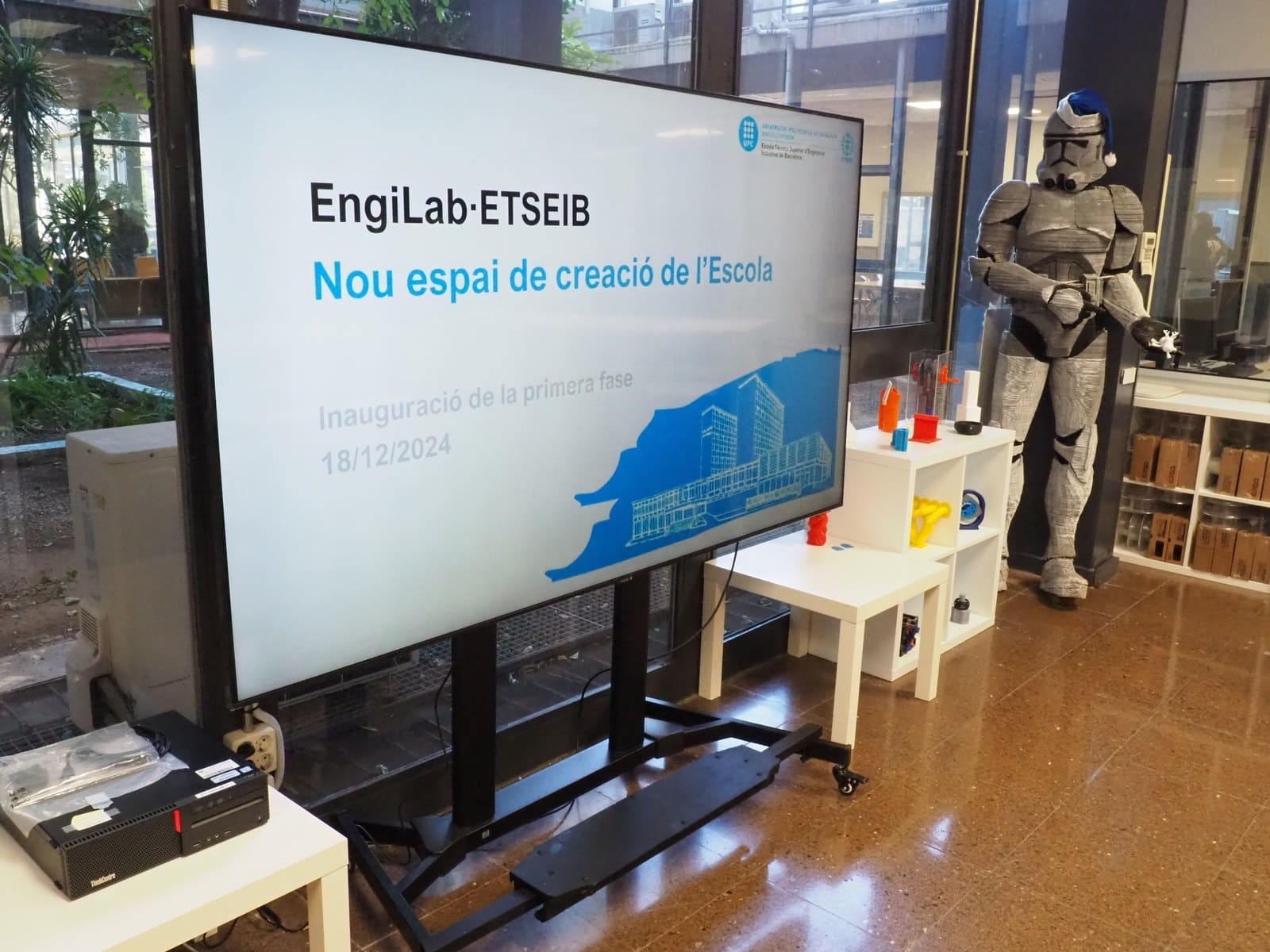
2024
2025