With the entry into the twenty-first century, the ETSEIB redefines its commitment to the country’s progress in a globalized context. The industrial engineer is no longer just a manager of local processes to become a fundamental piece of a system where technology, sustainability and international competitiveness are closely intertwined. This stage is marked by the definitive integration into Europe through the Bologna Plan and by a transition towards a knowledge economy and digitalisation.

The arrival of the Bologna Plan
The European homologation of university education in the early 2000s, framed in the well-known Bologna Plan, meant the disappearance of integrated degrees and the implementation of a new structure based on bachelor’s and master’s degrees. The reform generates misgivings among a part of the university community, which perceives it as a threat to the traditional academic soundness of the School and as a step towards the commodification of the university. Tensions reached their peak in 2009, when the student assembly promoted the occupation of the building in protest against the new model. At the same time, despite endorsing the plan, the ETSEIB Board is critical of the process and calls on the rector’s office to conduct an in-depth debate on the conception of the public university.
Alliances with the productive fabric
Spain’s entry into the European Economic Community in 1986 was a turning point that allowed access to European funds for investments and improvements. The ETSEIB became a pioneer in promoting international student exchanges, even before the creation of the Erasmus programme, aligning the training of engineers in Barcelona with global standards of quality and competitiveness.
The engine of electric mobility
In 2007, the ETSEIB promoted the creation of its first Formula Student team, now known as BCN eMotorsport, in charge of designing, manufacturing and bringing to the track an electric single-seater on international circuits. Years later, the School expanded this commitment with eRacing ETSEIB, a team born in 2012 and consolidated with its current name in 2022, which develops an electric competition motorcycle for MotoStudent. Both projects reflect the transition to electrification of the mobility industry and ETSEIB’s commitment to sustainability and challenge-based learning.
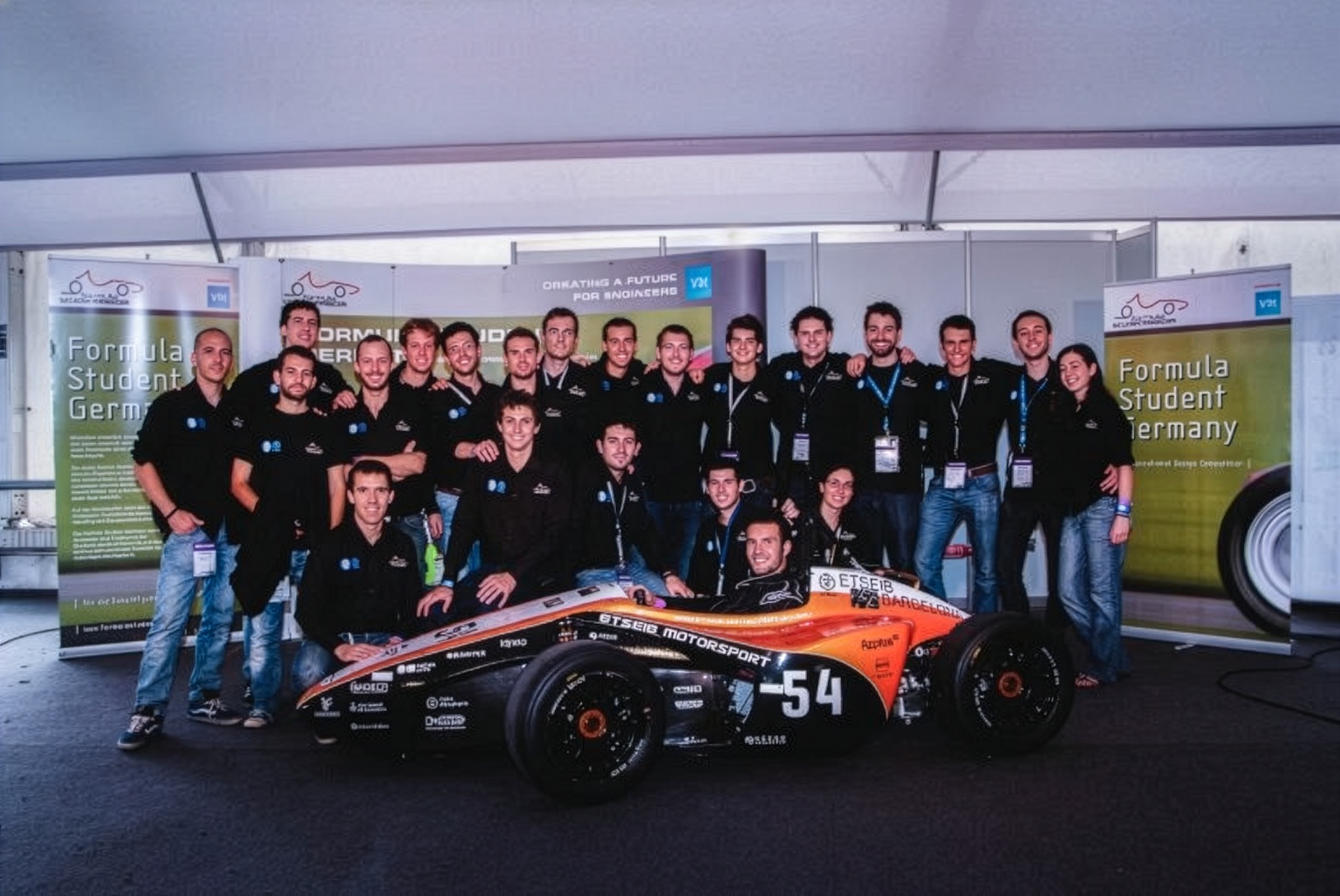
The ETSEIB and the industry share a culture of continuous learning and retraining of talent to face the challenges of the future. The School trains people with this mentality: that of constantly learning and adapting to change.
Talent without borders
Globalisation is transforming the practice of the profession and the School responds by making mobility a strategic axis of training. The ETSEIB consolidates its position as the UPC centre with the most international exchanges, leading networks of excellence such as the TIME consortium to offer double degrees with the best schools in the world. This openness translates into a new reality of work: today, 31% of engineers under the age of 35 already carry out their daily activity in international networks.
Breaking the glass ceiling
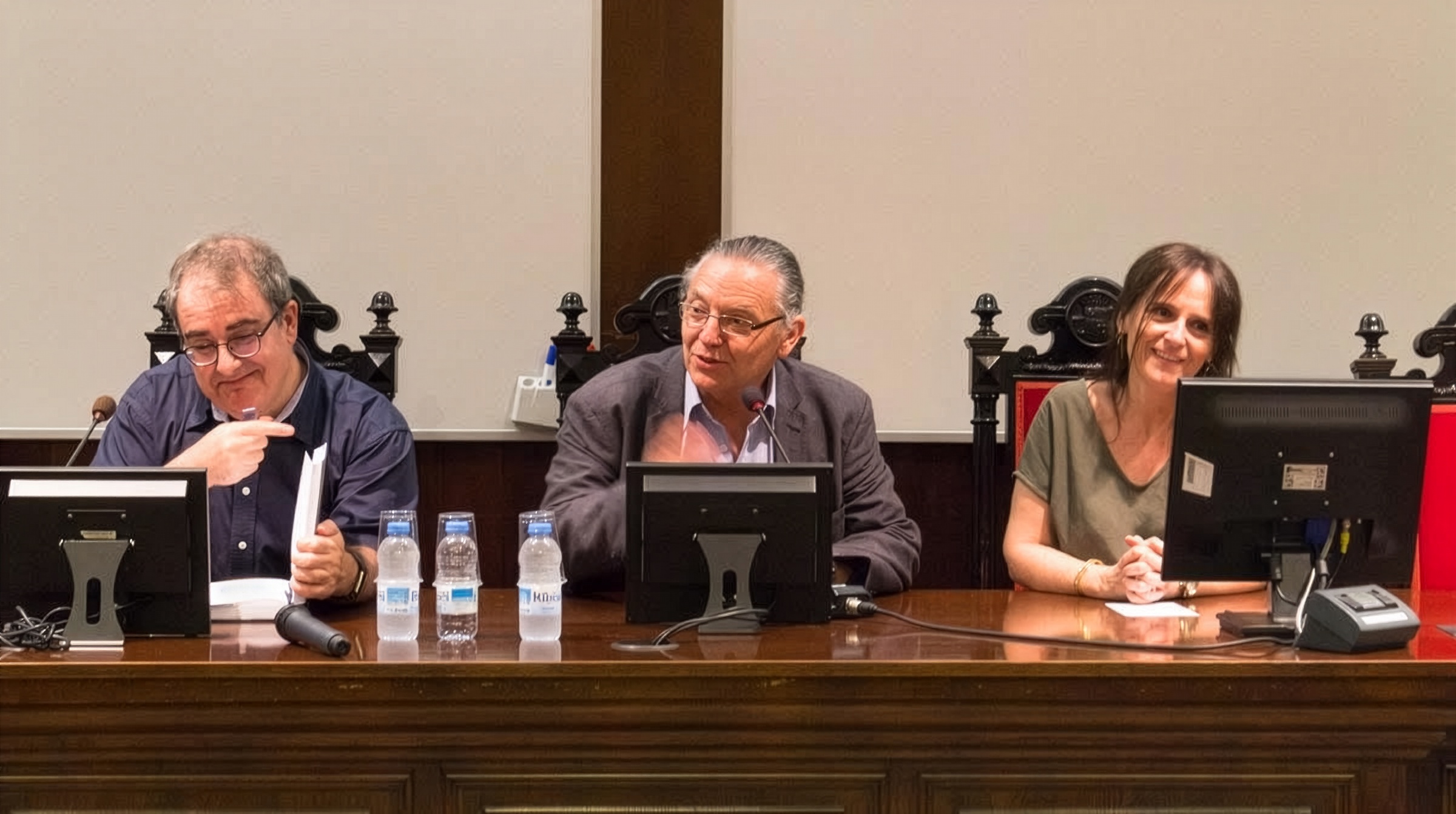
In 2013, Professor Neus Cònsul made history by being chosen as the first woman director of the ETSEIB. Her appointment represents the definitive breaking of the glass ceiling in the governance of the center and begins a path of representativeness that is later reaffirmed with the election of Amaia Lusa (2025) as second woman director of the institution. With this goal, the School projects essential female role models and consolidates a plural leadership model, where talent is fully exercised and without gender barriers.

